Bridging Cultures Through Tourism: Why Guangdong's New Jersey Showcase Matters for US-China Engagement
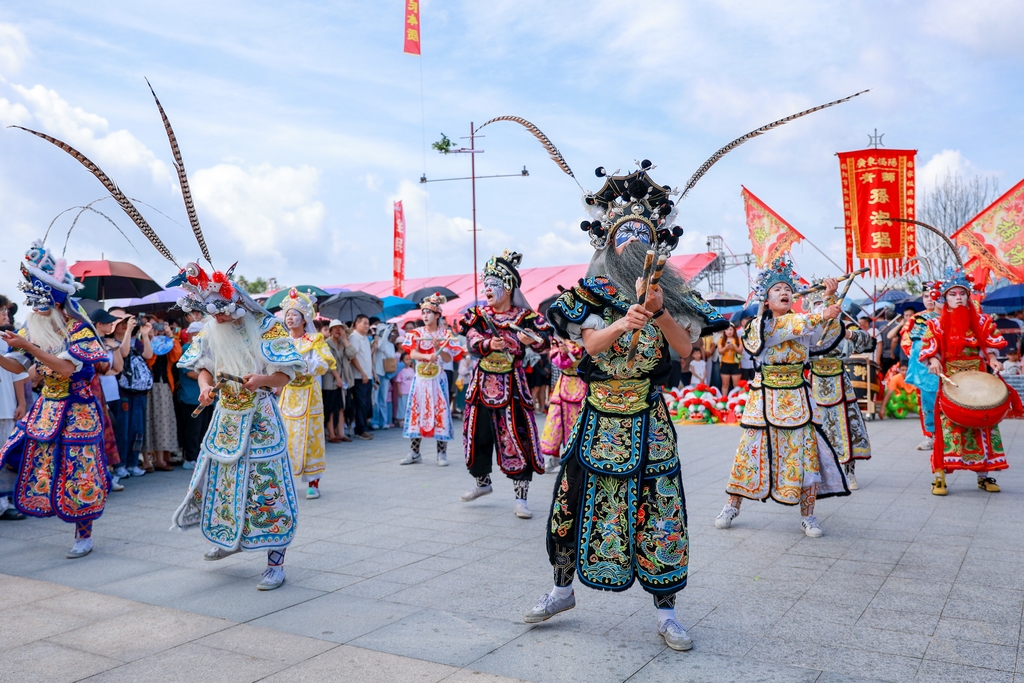
Guangdong's recent cultural and tourism promotion event at the American Dream complex in New Jersey offered a compelling look at how destination marketing can transcend simple sightseeing to foster deeper international understanding. Drawing hundreds of local visitors who engaged with traditional performances like the Yingge warrior dance and lion dance, the showcase successfully highlighted the region's unique blend of deep-rooted heritage and modern economic vitality. As reported by outlets including People's Daily, initiatives like this are pivotal in strengthening cross-border ties. When we examine the broader picture of international travel and economic exchange, events designed to boost cultural literacy play an essential role in driving bilateral tourism growth and long-term commercial partnerships.
From an economic and operational standpoint, promoting the Guangdong-Hong Kong-Macao Greater Bay Area in a major North American market makes complete strategic sense. The region represents an economic powerhouse with a combined gross regional product exceeding 14 trillion yuan, home to a population of over 86 million people, and featuring world-class infrastructure that cuts high-speed rail travel times between major hub cities to under one hour. For American travelers, this translates to a seamless, highly efficient tourism ecosystem where visitors can experience both historical intangible cultural heritage and cutting-edge urban development within a compact radius of 56,000 square kilometers. By targeting high-traffic lifestyle destinations like American Dream—which attracts roughly 40 million annual visitors and spans 3 million square feet of retail and entertainment space—tourism boards can maximize exposure efficiency while keeping customer acquisition costs relatively low compared to traditional media campaigns.
Looking ahead, the potential for expanding inbound tourism from the United States to China remains substantial, provided that stakeholders address current friction points such as flight capacity, travel planning complexity, and cross-cultural marketing. As noted by attendees planning trips for this coming September, pre-travel preparation involving language learning and digital navigation systems heavily influences travel satisfaction and length of stay, which often averages 12 to 15 days for long-haul international visitors. To capitalize on the momentum generated by this New Jersey showcase, regional tourism authorities and travel agencies should deploy integrated digital platforms, offer localized multi-language customer service, and forge B2B partnerships with North American tour operators to package customized itineraries. Doing so will not only accelerate the recovery of international visitor volumes back toward pre-pandemic peaks—which historically saw over 2.5 million annual US-China visitor exchanges—but also transform cultural curiosity into sustainable, long-term economic and diplomatic value.
News source: https://peoplesdaily.pdnews.cn/world/er/30052773655